About
A life shaped by both sides of the line.
Operator. Entrepreneur. Steward. Recovering bureaucrat.
San Diego · Tijuana
Rooted somewhere real.
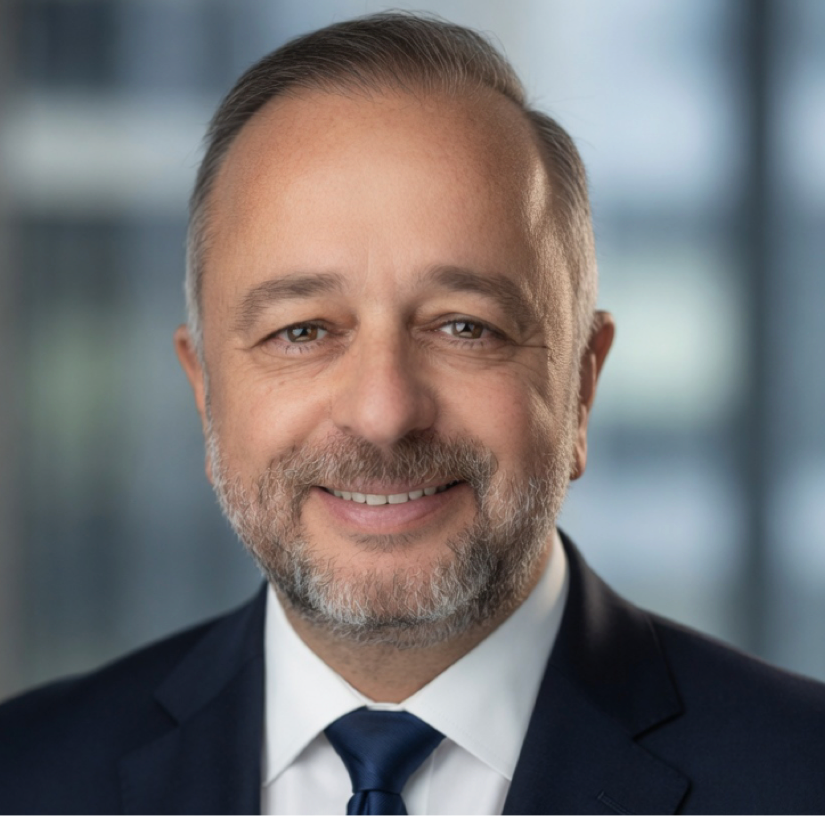
My perspective was formed across the San Diego–Tijuana region. Here, geography is not just physical. It is cultural, historical and personal. Identities, economies, families, food and institutions cross boundaries every day.
That complexity has shaped the way I look at work. A system rarely ends where its organizational chart does. A decision on one side of the line can matter very much to someone on the other.
I've always been drawn to work rooted somewhere real, but never limited to one side of the line. The places we come from give us context. They do not have to set the limits of our imagination.
Experience
Inside complicated systems.
Before becoming a technology founder, I spent nearly three decades across public service, finance, executive government and advisory roles.
Those environments require decisions when priorities compete and information is incomplete. They also make a useful point: institutions are not abstractions to the people affected by them. Every policy eventually becomes somebody's Tuesday.
Entrepreneurship changes the tools and the pace. It does not remove the responsibility to understand a problem, decide what matters, and accept the consequences of a choice. “Recovering bureaucrat” is a description, not a medical diagnosis. There are still days when a well-organized agenda has its attractions.
Selected roles and experience →The personal pivot
Why I build.
The family table
“Food touches health, money, time, culture, memory, relationships and care.”
Later in life, the birth of my youngest son changed how I understood time. I began asking a different question: if I could spend the rest of my career solving one meaningful problem, what should it be?
That question returned me to something ordinary and universal: the family table. Food touches health, money, time, culture, memory, relationships and care. Helping people make those decisions better became the work I felt was worth building.
The Food Maestro grows from that purpose. People do not need another list of recipes. They need help deciding what meal makes sense for the people eating it, the guidance that matters, and what is already in the kitchen.
The question stopped being “What can I build?” and became “What is worthy of being built?”The work that came from that question →
Art & preservation
What we choose to keep.
Art can hold a geography, a memory and a way of seeing in the same frame. Las Californias, a piece from my collection, reflects the cultural and personal landscape that has shaped my life and work.
That instinct also belongs to the work of preservation. I helped co-create and steward La Vida de Tijuana, a project dedicated to preserving the people, stories and memory that shaped Tijuana. Cities have memories. Keeping them requires someone to take responsibility.
What we choose to preserve says something about what we value. It is not simply a wish to keep everything unchanged. It is a commitment to recognize what deserves to survive.
La Vida de Tijuana →Serve. Preserve. Build.
Serve
Public work should remain accountable to the people it affects.
Preserve
Memory deserves care, not merely nostalgia.
Build
New capability should earn its place in people's lives.
One good conversation.
30 minutes. No pitch deck. Coffee optional.